
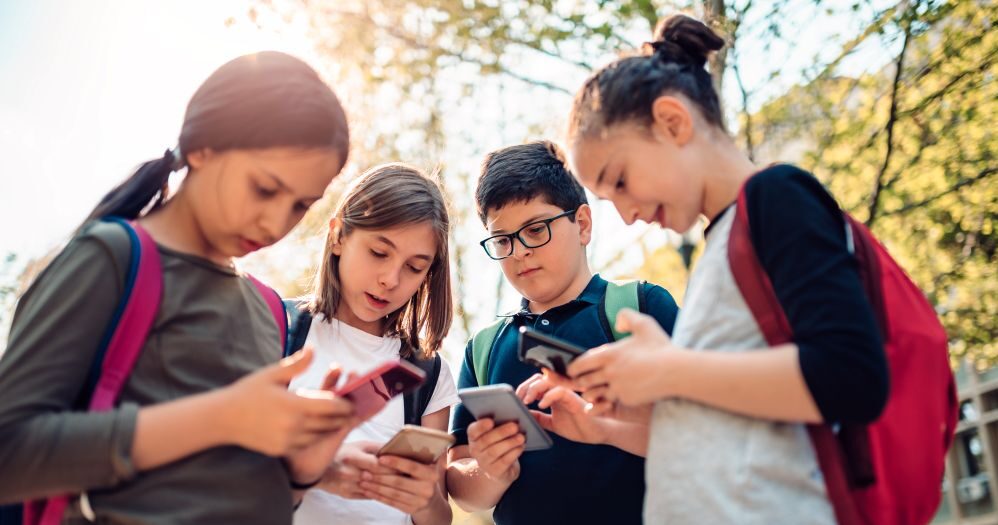
Australia has become the first nation to legally restrict access to major social media platforms for users under the age of 16, a groundbreaking move that could set a global precedent.
The legislation, announced in November 2024, went into effect on Wednesday. It targets ten major platforms, including YouTube, Instagram, Facebook, Threads, TikTok, Reddit and Snapchat, among others.
Related Article: Seattle Public Schools Sue Big Tech, Allege Social Media Harms Student Mental Health
The decision follows a revealing study conducted earlier this year, which found that 96% of children aged 10-15 were active on social media. Alarmingly, the study found that seven in ten of these young users encountered harmful content, such as misogynistic and violent material, and content promoting eating disorders and suicide, reports the BBC. Furthermore, one in seven reported experiences of grooming-type behavior, and over half had been victims of cyberbullying.
Social Media Ban Compliance Requirements and Platform Obligations
The new rule mandates these platforms implement “reasonable steps” to verify the age of users, employing methods like online activity inference, selfie-based facial estimation, uploaded IDs, or linked bank details, reports CNBC. While platforms face hefty fines for non-compliance, most have agreed to adhere to the policy. X, previously a holdout, confirmed its compliance on Wednesday.
The ban excludes YouTube Kids, Google Classroom, WhatsApp, online gaming sites like Roblox and Discord, and dating websites. This exclusion has sparked debate over the policy’s effectiveness.
Public Response to Australia’s Social Media Ban and Industry Reactions
The ban enjoys substantial public support, with a YouGov survey indicating that 77% of Australians favor the restriction. However, the rollout has not been without controversy.
Advocates argue that the ban is essential for safeguarding children from the dangers of social media, such as cyberbullying, mental health issues, and exposure to harmful content. Critics, however, decry it as an infringement on freedom of expression and privacy, citing concerns over invasive age verification and excessive government intervention.
Related Article: Which States Have Banned Cell Phones in Schools?
David Inserra, a fellow for free expression and technology at the Cato Institute, cautioned that the ban might drive children to alternative platforms or private apps like Telegram, or encourage the use of VPNs, thus pushing them into less regulated online spaces.
Global Impact of Australia’s Social Media Ban and What’s Next for Online Safety Laws
The Australian policy could influence other countries considering similar measures. Norway, France, Spain, Malaysia, and New Zealand are reportedly exploring comparable bans. Denmark announced last month that it will ban social media access to anyone under the age of 15, reports ABC News. The plan could become law a soon as the middle of next year.
In the UK, recent regulations impose strict penalties on online companies failing to protect young users from harmful content. Meanwhile, in the U.S., a similar attempt in Utah faced legal challenges, highlighting the contentious nature of such regulations.