
Traditional fire alarm systems are inherently reactive. They detect something that may indicate the presence of a fire and react with an alarm. These systems lack nuance, have long been susceptible to false alarms and are prone to costly service calls.
They get the job done and meet code requirements, but their inefficiency leads to too many disruptions and higher-than-expected cost of ownership.
In a world where data is shared seamlessly and instantaneously between our phones, tablets, laptops, watches, televisions, cars – even our refrigerators and toasters – the lack of intelligence in legacy fire alarm systems is jarring.
Related Article: Panic and Confusion Arise from AI-Generated Photo of Fake Bellaire High School Fire
It doesn’t have to be this way.
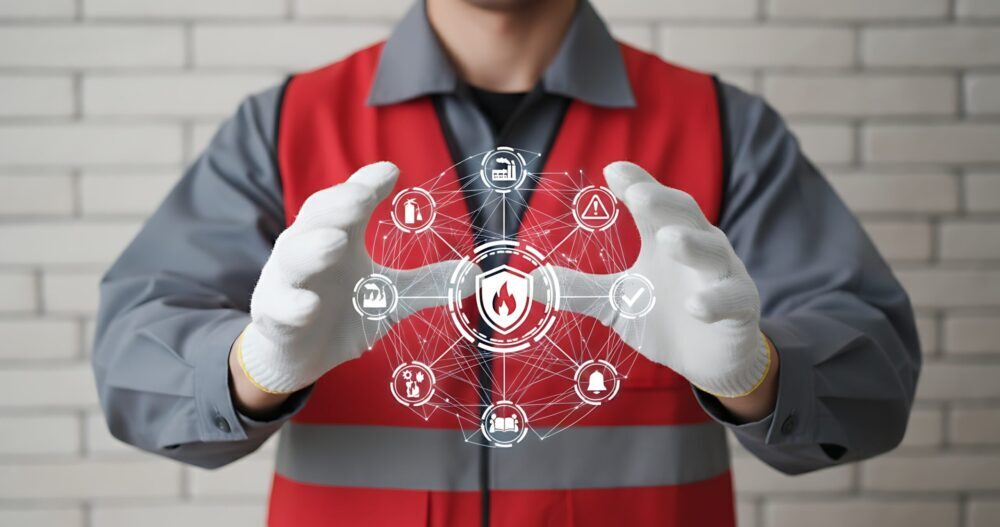
Increasingly, commercial fire alarm manufacturers are leveraging IoT principles and technologies to develop more intelligent, connected systems. These modern solutions can deploy hundreds of thousands of sensors across a fully connected network of detectors and alarms.
By analyzing the data those sensors provide, end users and service providers can shift fire safety from its react-and-respond stance toward a more proactive, predict-and-prevent approach.
Connected systems enable more efficient service and maintenance, produce fewer false alarms and unnecessary responses and provide greater granularity in locating and responding to a fire. Most importantly, connected solutions increase safety for building occupants and first responders.
Why It’s Taking So Long to Phase Out Legacy Fire Alarm Systems
There are many legitimate reasons the average installed fire alarm system doesn’t possess these intelligent capabilities. Let’s start with the most obvious: The lifespan for such systems is 20 to 30 years and a full-scale replacement can be inconvenient and expensive.
Organizations are phasing out legacy, reactive systems but it will take time.
Related Article: Preparing for Education Facility Audits and Accreditation: Why Documentation Matters
Adoption in new builds is happening more frequently, but headwinds remain. Specifically, fire code hasn’t caught up with the technology. Moreover, too many installations are specified to minimum code requirements. That means they capture and report the data required but that isn’t much.
It covers life-critical activity but provides little insight into the health of the system, any of the connected detectors, or environmental changes that could impact system performance. This is the default state for millions of installed fire safety systems around the world.
There are better, safer alternatives available.
The Benefits of Fire Safety Systems Connectivity
Intelligent, connected fire alarm systems report on hundreds of data points in real time, diagnosing potential issues before they require emergency attention, identifying potential impacts on adjacent devices and informing smarter, more efficient corrective actions.
They collect not just UL-regulated heartbeat data, but valuable non-regulated data that provides additional information and context. That non-regulated data can be used for performance analysis and reporting.
For example: Intelligent systems can track environmental data in the vicinity of critical equipment, including gradual increases in temperature or humidity that could signal an issue to be addressed.
When those issues are identified, service technicians can respond appropriately – whether that means on-site with exactly the tools and parts needed or with corrective actions that can be handled remotely, avoiding costly truck rolls.
Related Article: Security Executives Want Integrators to Be Long-Term Partners, Not Just Salespeople
These systems track seasonal and historic trends to analyze and predict when devices may need to be cleaned or replaced and trigger those actions ahead of the device’s code-mandated service. They make one-person inspections possible, eliminating the practice of one individual manning the panel while another walks the grounds to physically inspect each detector and alarm – halving the costs of those inspections.
With greater visibility into the fire safety system and data specific to the environment and system performance, system installers and service providers can work with customers to develop SLAs that more accurately map to system condition.
These can replace boilerplate versions that too often mandate service activities based on system age rather than real-time condition and performance.
This all adds up to fewer truck rolls, fewer nuisance alarms and well-prepared service teams who arrive as scheduled and fully equipped to run the proper tests and make the appropriate repairs. In our experience, these benefits translate to a 30% reduction in service calls and reduced time onsite for the calls that are necessary.
These are significant cost savings for the building owner.
But it’s not just about efficiency. The visibility and intelligence these systems provide is potentially lifesaving for first responders, giving them greater detail on fire location and path than traditional systems provide. That allows them to approach the fire safely and with full understanding of potential hazards in the vicinity. Traditional systems can’t provide that detail.
Installing Connected Fire Alarm Systems Results in Improved Safety, Cost Savings
Early adopters have included high-profile facilities such as sports stadiums and arenas, hospitals and skilled nursing facilities, college campuses and other multi-building sites, hotels, data centers, remote power deployments and other remote sites where transportation to the site for service or inspections is cost prohibitive.
Related Article: 7 Steps to Reducing False Fire Alarms
These applications will expand as codes catch up to technology and as integrators, CSEs and building owners become more aware of the safety benefits and potential reductions in total cost of ownership.
It’s a new way of thinking about fire safety systems that moves away from adherence to minimum requirements and toward fully informed management focused on more efficient service and operation as well as more reliable protection of people and property.
Ron Crotty is global product leader for connected solutions at Edwards. This article was originally published in CS sister publication, Security Sales & Integration, and has been edited.
Note: The views expressed by guest bloggers and contributors are those of the authors and do not necessarily represent the views of, and should not be attributed to, Campus Safety.